Jet charter Minneapolis Saint Paul / Wold Chamberlain Field
KMSP is the Twin Cities' main airline gateway and a working base for charter aircraft. It has an 11006-ft runway at 841 ft elevation. We arrange flights; the operators fly them.
- KMSP · MSPairport codes
- 841 ftfield elevation
- 11,006 ftlongest runway
- 7 mito Downtown Minneapolis
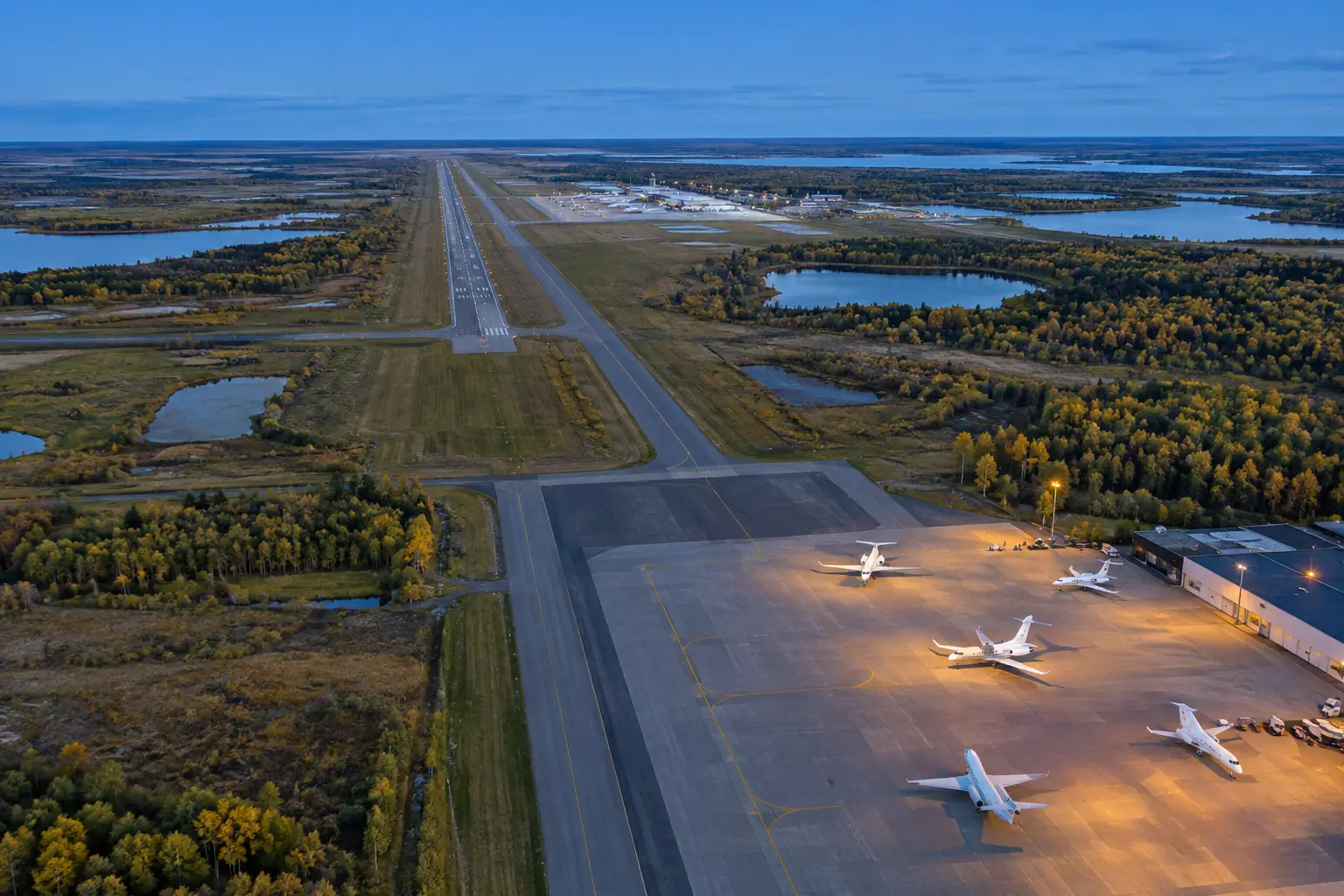

Jet charter Minneapolis Saint Paul / Wold Chamberlain Field starts with the runway. KMSP's longest strip runs 11006 ft at 841 ft elevation, which is enough pavement for the heavy midsize jets and large-cabin aircraft that make nonstop transcontinental legs practical. A 11006-ft runway at 841 ft means nonstop coast-to-coast range for most large cabins. The field sits south of the Twin Cities and handles both scheduled airline traffic and general aviation, so charter departures share a busy, well-equipped airport rather than a quiet reliever.
We are a broker. Flights sold through this site are flown by FAA Part 135 operators who hold operational control and supply the crew, the aircraft and the safety program. Under DOT Part 295 rules, a charter broker acts as an agent arranging transportation, not as the airline flying it. That distinction matters when you compare quotes, because the aircraft you book belongs to an operator, not to us. Ask for the operator's name and certificate before you sign anything. Knowing which operator holds the certificate is the first question worth asking on any Minneapolis charter.
Typical travelers here are heading to Chicago, Dallas or Los Angeles for business, or flying out to New York on a schedule the airlines cannot match. Others are connecting families, moving executives across the Midwest, or booking empty legs back into MSP when an aircraft repositions. Charter flights to and from St Paul and Minneapolis cover the same metro, so tell us your side of the river. Prices you see are estimates and depend on aircraft type, date and demand.
Fees and positioning vary with the route, and the busiest travel days tighten supply around the Twin Cities. The same holds for any jet charter: an estimate is a starting point, and the firm quote arrives after an operator confirms the aircraft and crew for your date.
Runways and elevation at KMSP
KMSP's longest runway is 11006 ft, and the field elevation is 841 ft; together those numbers describe an airport built for large aircraft in most conditions. An 11006-ft runway gives midsize and large-cabin jets room for hot-day departures. Multiple parallel strips let the tower sequence charter departures alongside airline traffic without long holds. In winter, snow and deicing are routine, so build time into your schedule between December and February. At Wold Chamberlain Field, the 11006-ft runway is the reason heavy jets can leave full of fuel.
| Runway | Lgth | Width | Surface |
|---|---|---|---|
| 04/22 | 11,006 ft | 150 ft | Concrete |
| 12R/30L | 10,000 ft | 200 ft | PEM |
| 12L/30R | 8,200 ft | 150 ft | PEM |
| 17/35 | 8,000 ft | 150 ft | Concrete |
Where charter aircraft park at MSP
Charter aircraft at Minneapolis–Saint Paul International use the airport's general aviation facilities, and your operator will name the fixed base operator handling your flight when it confirms the trip. Ask the operator which FBO serves your charter at Wold Chamberlain Field before you book ground transport. We do not publish FBO names we cannot verify, so the confirmation comes from the operator, not from this page. Ground handling, fuel and hangar arrangements are the operator's to describe.
For lighter aircraft and a shorter drive to downtown Saint Paul, Saint Paul Downtown Holman Field (STP) is 6491 ft of runway at 705 ft elevation, with Signature Aviation on the field. Anoka County-Blaine and Flying Cloud (FCM) serve the northern and western suburbs with shorter strips. If your jet is light enough for a 5000-ft runway, the suburban fields can cut drive time.
Best for
- Nonstop transcontinental legs from a runway long enough for large-cabin jets
- Business travel to Chicago, Dallas, Los Angeles and New York on your own schedule
- Twin Cities travelers who want airline-alternative departures from the metro's main airport
- Groups and families flying together who value one cabin over separate tickets
| Class | Runway need, typical | Here |
|---|---|---|
| Turboprop | 3,300 ft+ | Fits |
| Light jet | 4,000 ft+ | Fits |
| Midsize jet | 5,000 ft+ | Fits |
| Super-midsize jet | 5,200 ft+ | Fits |
| Heavy jet | 5,600 ft+ | Fits |
Heat, density altitude and winter
July density altitude at KMSP averages about 2600 ft, and on a 115F day it can reach 3200 ft, which is the number that matters for a heavy jet on a short leg. Density altitude is what the wing feels, not what the thermometer reads. A July density altitude near 2600 ft at MSP is manageable, but summer afternoons still affect performance planning. Operators plan around it, sometimes by shifting departure time or choosing a different aircraft.
Winter runs the other way. January highs average 25F with a density altitude near -1200 ft, which helps performance and hurts nothing except your patience with deicing. Wet days peak in May at 12, so spring departures can meet thunderstorms and ground stops. When winter weather hits the Twin Cities, deicing and plow schedules add time to any charter departure. Plan extra slack in January and February.
| Month | Avg high | Wet days | Density altitude |
|---|---|---|---|
| Jan | 25°F | 5 | -1,200 ft |
| Feb | 28°F | 6 | -1,000 ft |
| Mar | 43°F | 7 | 0 ft |
| Apr | 54°F | 11 | 700 ft |
| May | 69°F | 12 | 1,700 ft |
| Jun | 80°F | 11 | 2,400 ft |
| Jul | 83°F | 9 | 2,600 ft |
| Aug | 80°F | 11 | 2,400 ft |
| Sep | 74°F | 10 | 2,000 ft |
| Oct | 58°F | 9 | 1,000 ft |
| Nov | 43°F | 8 | 0 ft |
| Dec | 30°F | 8 | -900 ft |
Getting to the airport
Minneapolis–Saint Paul International sits about 10 miles southeast of downtown Minneapolis via Highway 5 and the airport exits off Interstate 494. From downtown Minneapolis, allow roughly 20 minutes by car to reach the MSP terminal area, more in rush hour. From downtown Saint Paul, Holman Field is the closer field. Light rail serves the main terminals. For a charter departure, the operator's FBO will give you a specific address and gate instructions, so confirm before you leave.
Private jet routes via Minneapolis–Saint Paul / Wold–Chamberlain
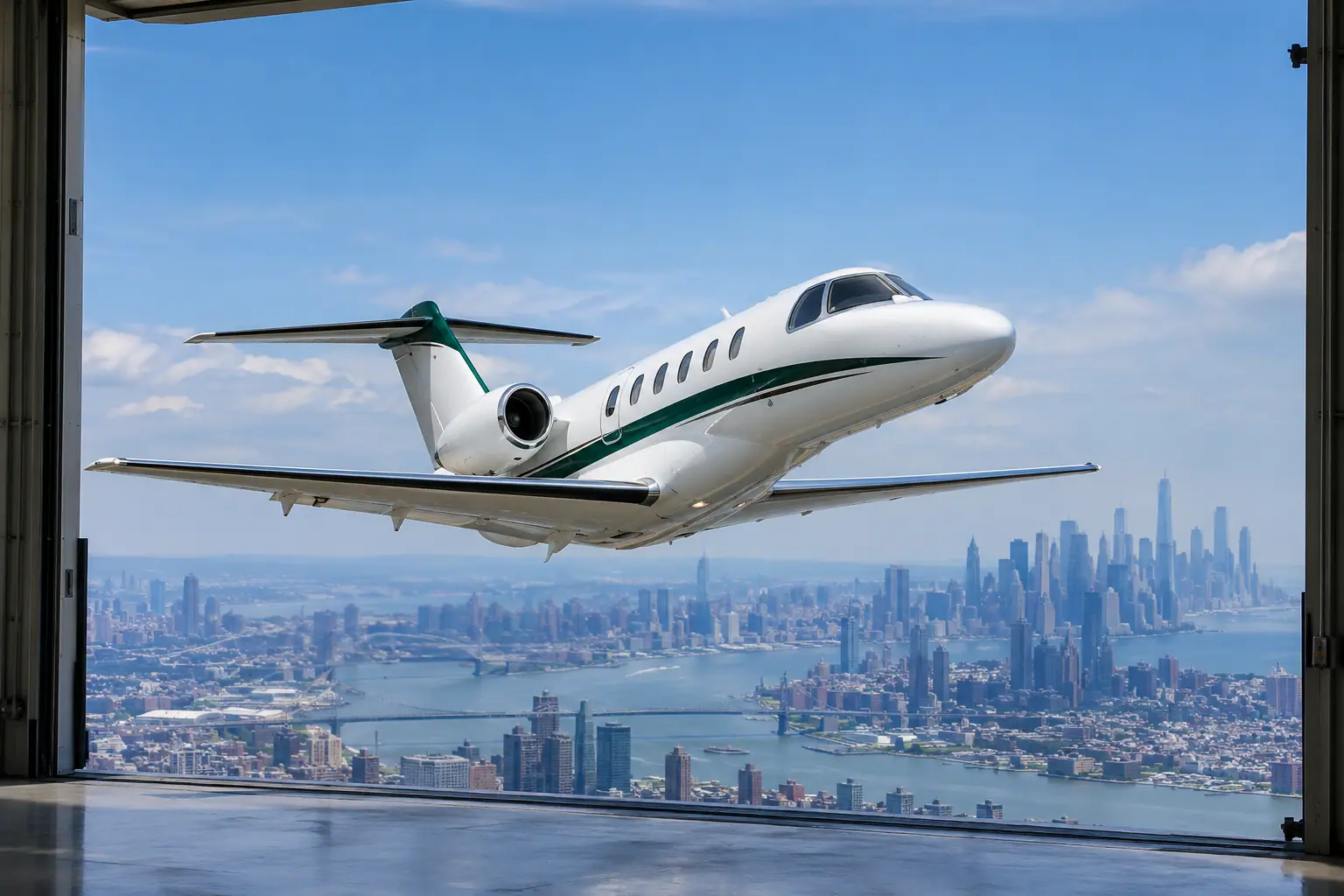
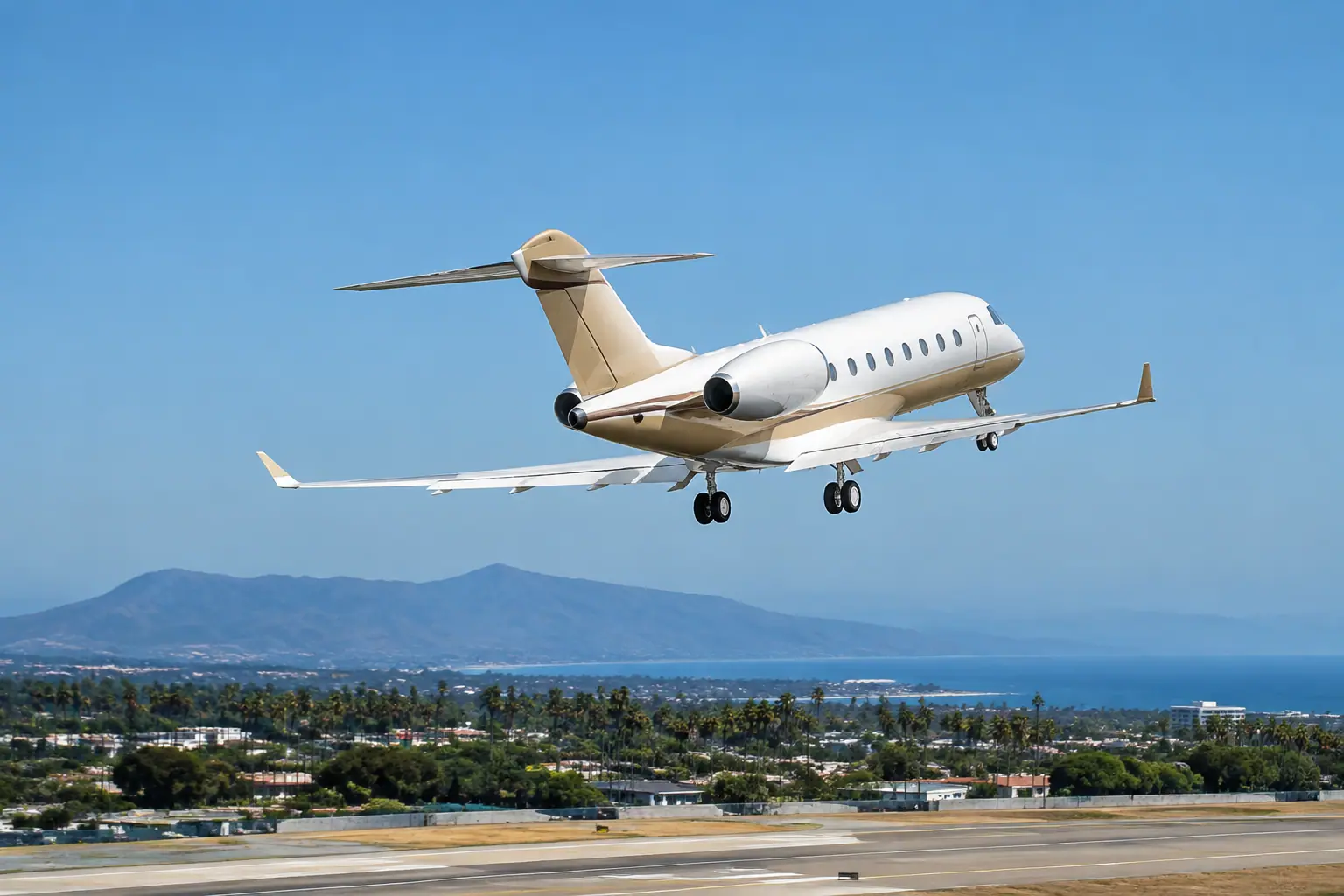
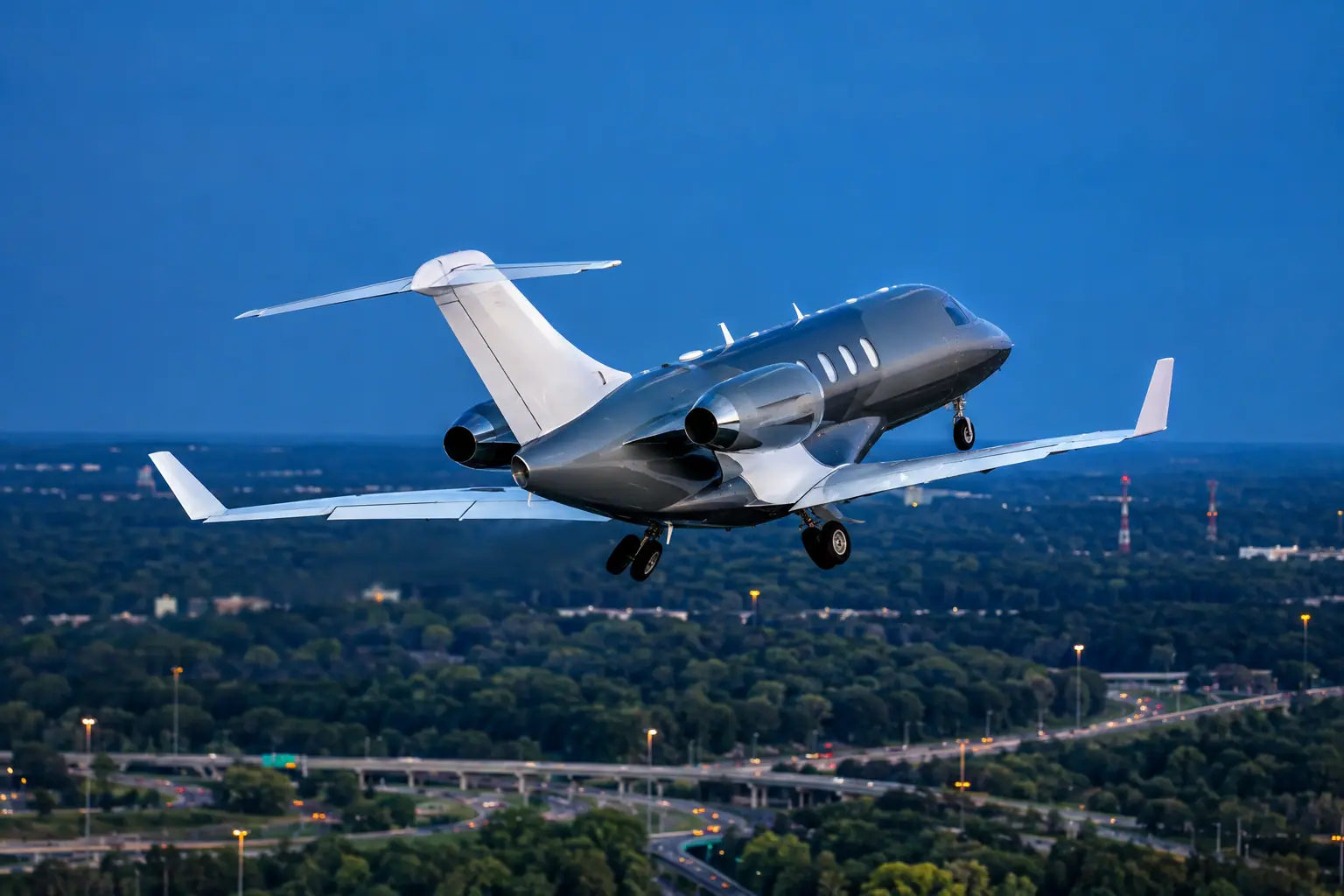
Across these 6 private jet routes, distance runs 299 to 1,333 nautical miles; one-way light jet estimates span $4,000 to $25,000.



Airport FAQ
How much does jet charter Minneapolis Saint Paul / Wold Chamberlain Field cost?
There is no single price. A light jet and a large-cabin jet on the same route differ by several multiples, and the day of week matters. Any figure you receive here is an estimate until an operator confirms aircraft and crew. Ask for the all-in number including fuel, crew, landing fees and deicing, because winter departures at MSP can add cost.
What runway length does MSP have for charter jets?
KMSP's longest runway is 11006 ft at 841 ft elevation. That is enough for most large-cabin jets to depart with full fuel on transcontinental routes in normal conditions. On hot summer days, density altitude near 2600 ft in July still leaves margin, though operators may adjust fuel or departure time for heavy aircraft.
Can I fly nonstop from Minneapolis to Los Angeles or New York?
Yes, with the right aircraft. The 11006-ft runway supports nonstop legs to the West Coast and the Northeast in midsize and large-cabin jets. The operator will confirm range with passengers and bags for your specific date. If a fuel stop is required, it adds time and money, so ask before you commit.
Is Holman Field a better choice than MSP for my flight?
It depends on your aircraft and your destination. Saint Paul Downtown Holman Field has a 6491-ft runway at 705 ft elevation and puts you closer to downtown Saint Paul. Lighter jets fit comfortably; heavier aircraft may need MSP. Tell us where you are starting and the operator can match the field to the aircraft.
Does summer heat affect charter departures from the Twin Cities?
It can. July density altitude at MSP averages 2600 ft and can reach 3200 ft on a 115F day. Density altitude reduces performance, so operators plan fuel and payload around it. Most flights are unaffected, but heavy aircraft on long legs may see adjustments. Booking earlier in the day often avoids the worst of it.
Who is responsible for the flight I book?
The operator is. Flights are flown by FAA Part 135 operators who hold operational control and employ the crew. We act as a broker and arrange the trip under DOT Part 295 rules. For international legs, CBP handles clearance. Ask for the operator's name and certificate before booking, and confirm insurance and pilot hours.