Minneapolis events jet charter
Big weekends drive Minneapolis events jet charter demand fast. Light jets run about $4,000 to $6,000 from Chicago when a major event lands. Book early and confirm ramp space at the satellite fields.
- Home
- Event dates
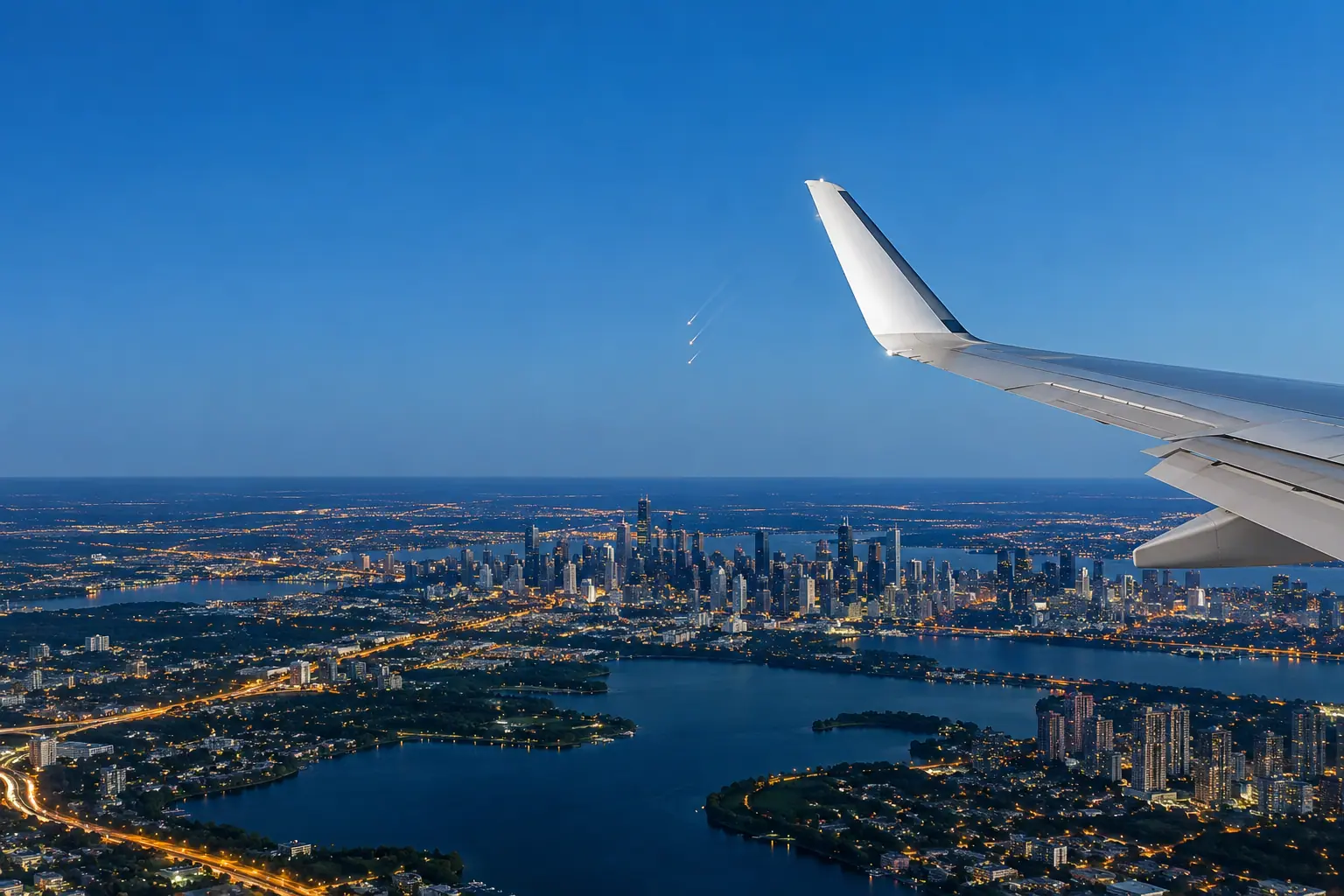
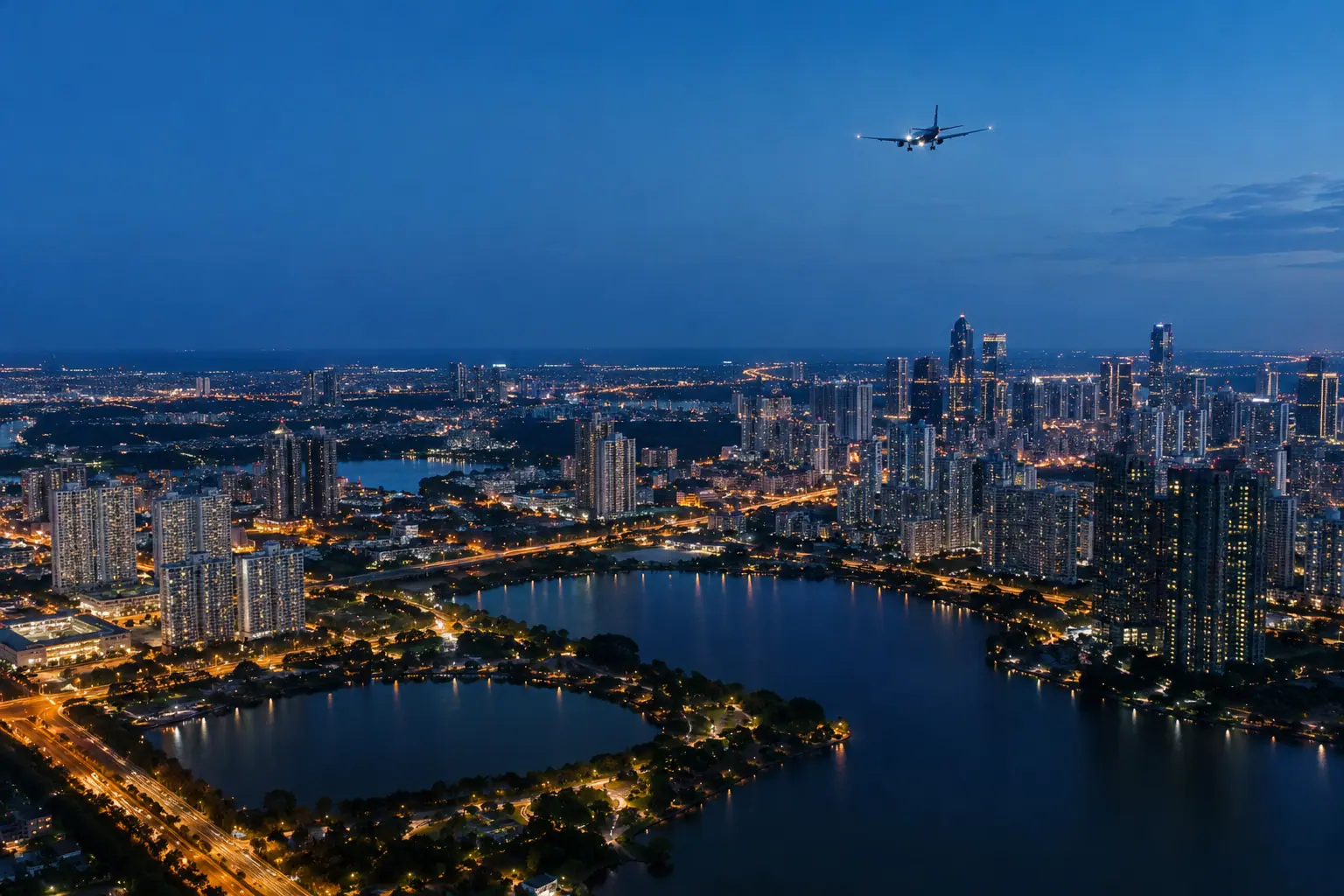
Minneapolis packs its calendar with stadium weekends, the State Fair and a long winter of arena shows. Each one pulls a spike of private flights into four airports that share the same weather and the same airspace. When a big event lands, then the useful question stops being which jet and becomes which field still has room.
This page covers the events that move local demand, what each one does to ramp space, and how to price a flight around it. Costs shown are estimates for light jets unless noted, and they move with date, aircraft class and how close to the event you call. FAA Part 135 operators fly the aircraft; we arrange the flights as your agent under DOT Part 295 rules.
Events that fill Minneapolis ramps
Minnesota State Fair
- Late August through early September
Twelve days at the fairgrounds in Falcon Heights pull visitors from across the Midwest. Turboprops and light jets from Des Moines, Chicago and the Dakotas stack up, and Flying Cloud absorbs much of the short-haul traffic. Ramps at FCM and Saint Paul Downtown Holman Field tighten on the middle weekends; plan drop-and-go slots rather than overnight parking.
Vikings home games at U.S. Bank Stadium
- September through early January
Eight or nine home dates put a sharp, short spike on Sunday mornings. Heavy jets carrying ownership groups and sponsors want downtown access, which means Saint Paul Downtown Holman Field and its 6,491-foot runway. Ground crews get squeezed between landing waves, so arrival windows matter more than aircraft choice.
Twins home stands at Target Field
- April through September
Baseball spreads demand across weeknights instead of one Sunday. Light jets from Chicago, Kansas City and Denver form the bulk of arrivals. The pressure is on ground handling at Flying Cloud and Anoka County-Blaine more than on airspace, and midweek dates are far easier to place than a weekend series against a divisional rival.
Final Four and big-ten tournament years
- March and early April
When Minneapolis hosts a major basketball tournament, hotel blocks and ramp space go first. Charter demand jumps across all classes, and midsize jets from the East Coast dominate. Operators reposition aircraft from Chicago and Dallas days ahead. If your dates overlap a tournament, then lock an aircraft early and accept a wider arrival window.
Twin Cities Marathon
- Early October
A single Sunday closes downtown streets and funnels visitors into a narrow arrival window. Most traffic is light and super-midsize jets from within 1,000 miles. Saint Paul Downtown Holman Field handles the closest arrivals, but ground transport to downtown hotels takes longer than usual that morning. Book the return leg later than feels necessary.
Holiday travel peak
- Late December
The last ten days of December are the busiest stretch of the year for local private flights. Families heading to Cabo San Lucas, Nassau and the Turks and Caicos need range, so super-midsize and heavy jets book out first. Weather drives the real risk, and deicing queues at Minneapolis–Saint Paul International can delay departures even when your aircraft is ready.
Minneapolis Aquatennial
- July
A summer festival brings a modest, steady lift rather than one sharp spike. Light jets from Chicago and Nashville cover most of it, typically 1h 02m and 1h 46m respectively. July density altitude at Flying Cloud sits near 2,700 feet, so turboprops and light jets still perform well. The bigger constraint is hangar space during afternoon storms.
Golf and lake country weekends
- May through September
Owners flying to Brainerd, Gull Lake and the northern cabin country route through the metro first. Turboprops and light jets dominate, and many flights are one way. Empty legs back into Minneapolis appear on Sunday afternoons, and a one-way seat on one of those can undercut a round-trip price. Ask about them by name.
Convention and trade show weeks
- Year-round, heaviest in spring and fall
Medical, agriculture and manufacturing conventions fill the convention center and the ramps together. Midsize jets from Dallas, Atlanta and Washington, DC carry most of the traffic, roughly 2h 07m to 2h 13m. Week-long parking is scarce, so operators often reposition to Anoka County-Blaine for the stay and return for pickup.
How to book around a Minneapolis event
Pick the field before the aircraft. A light jet into Flying Cloud costs less than a heavy jet into Holman Field on the same weekend, and the drive downtown differs by minutes. Saint Paul Downtown Holman Field sits closest to the stadium district with a 6,491-foot runway; Minneapolis–Saint Paul International has the longest runway at 11,006 feet but no based FBO for charter parking. When your group is large, then the heavy jet at MSP or Holman is the honest answer, and we say so.
Price the whole trip, not the hourly rate. A round trip from Los Angeles runs about $16,500 to $25,000 in a light jet, while Chicago is $4,000 to $6,000. Those are estimates and they move with event dates, because operators price the return leg against demand, not distance. If your dates land on a State Fair weekend or a Vikings Sunday, then expect quotes to firm up rather than soften as the date nears. Tell us the event and we will build the schedule around its arrival windows.
Questions
What does Minneapolis events jet charter cost from nearby cities?
Light jet estimates run $4,000 to $6,000 from Chicago, $6,500 to $10,500 from Nashville and $7,000 to $10,500 from Denver. Those are one-way estimates and they climb on event weekends when return legs are in demand. Heavy jets cost more; the hourly band is $9,500 to $14,500. Ask for a quote tied to your specific dates.
Which airport should I use for a stadium event?
Saint Paul Downtown Holman Field is closest to downtown and the stadium district, with a 6,491-foot runway and Signature Aviation on the field. Flying Cloud and Anoka County-Blaine handle overflow and longer parking. Minneapolis–Saint Paul International has the longest runway at 11,006 feet but no based FBO for charter parking, so it suits drop-offs more than stays.
How far ahead should I book for a big weekend?
For Vikings home games, the State Fair and tournament years, two to four weeks is the practical minimum, and earlier for heavy jets. Aircraft get repositioned from Chicago and Dallas when local supply runs out, which adds cost. If you are inside a week, then flexibility on arrival time matters more than aircraft type.
Do summer temperatures affect departures from Minneapolis?
Yes. July density altitude reaches about 2,500 feet at Holman Field and 2,600 feet at Minneapolis–Saint Paul International, and the peak at 115F hits 3,000 to 3,300 feet across the four fields. Turboprops and light jets still perform, but heavy jets on long international legs may face payload limits. Operators plan fuel and baggage around those numbers.
Can you arrange a one-way or empty leg flight?
Yes. Empty legs back into Minneapolis appear most Sundays during lake country season and after big events, and they can undercut a round trip. Availability is short-lived and the price is fixed to that specific leg. We list what is real when you call rather than promising a seat that may not exist by the time you decide.
Who operates the aircraft and who is responsible?
The flights are flown by FAA Part 135 operators who hold operational control of the aircraft and crew. We act as your agent under DOT Part 295 and arrange the trip; we do not own aircraft. For international returns from Cabo San Lucas, Nassau or the Turks and Caicos, CBP clearance is handled at the arrival airport, and timelines are set by the operator.